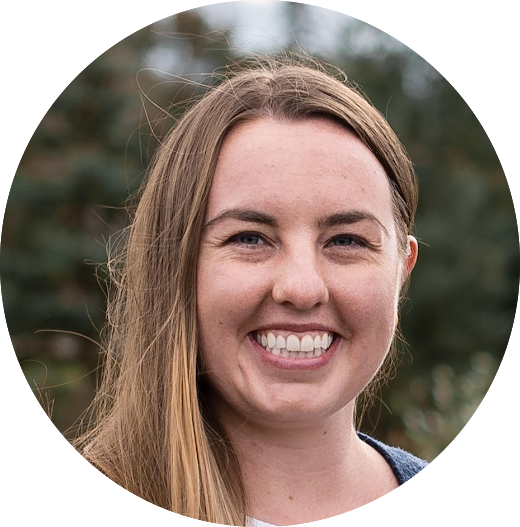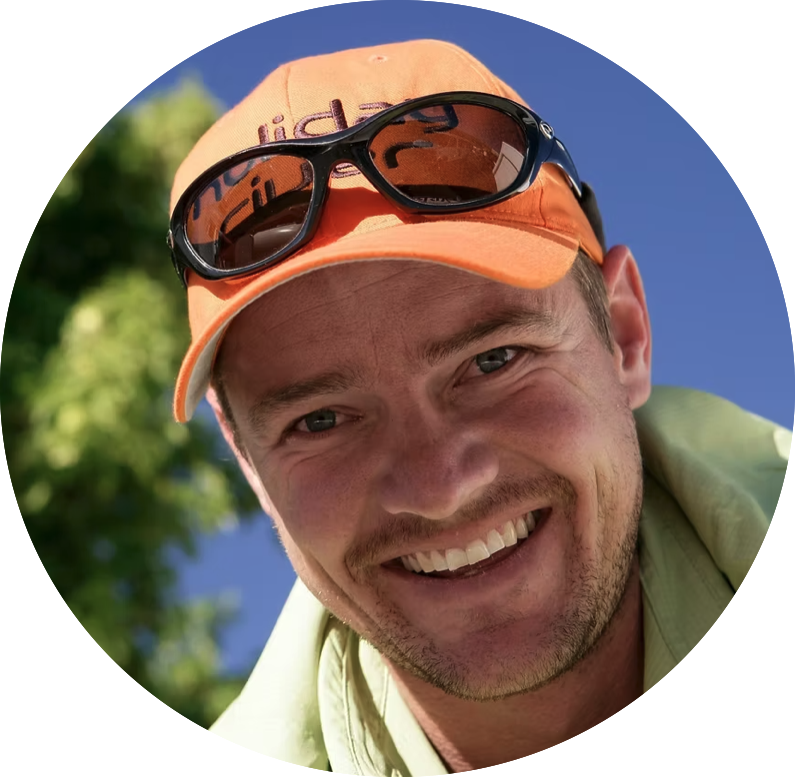

The CAP Collaborative is pleased to announce the three-year appointments of Janelle Gibbons, Leeward Renewable Energy Development Manager, and Jason Quinn, Mechanical Engineering Professor at Colorado State University, to the CAP Collaborative Board. Learn why Gibbons and Quinn decided to apply to the Board, why the CAP matters to them and what keeps them hopeful about climate action below:
1) Why did you decide to apply to be on the CAP Board?
Gibbons: I applied to be on the Board because I care about Routt County, our environment, and trying to make our community, and world, a place where nature and people can thrive for generations to come. Personally, moving to Routt County made me care even more about the outdoors and I fell in love with our way of life here. Professionally, I’ve educated myself in sustainability and have a career decarbonizing the grid. Joining this board is bringing my two worlds together to make a better future.
Quinn: I applied to serve on the CAP Board because I have both a professional and personal stake in the future of Routt County. Professionally, my work focuses on the sustainability of energy systems and practical pathways to reduce emissions, and I felt I could contribute a useful, implementation-focused perspective. Personally, my family and I care deeply about this community as we love to chase the snowing the winter and float “the Met” in the summer. I want to help ensure we are making thoughtful, data-informed decisions about our future. The Board sits at the intersection of science, policy, and community values, and that is exactly where I spend most of my time. Serving on the CAP Board is a way to put my background to work locally and help turn the plan into concrete, achievable action.
2) Why does the CAP matter to you and why should Routt County residents care?
Gibbons: I’m a very action-oriented person and the CAP is exactly that; a collection of many actions we need to take to reach our goals. We should all care about this because climate change affects everyone and actions taken for the CAP don’t just address climate change, it improves our affordability, quality of life, resilience against extreme weather events like wildfires, and makes sure our community can continue to survive with snowpack for recreation and tourism and water for our ranchers.
Quinn: The CAP matters to me because it is our shared roadmap for keeping the Yampa Valley a place where people can live, work, and play for generations to come. It connects big global issues, like climate change, to very local concerns: reliable snow and water, wildfire risk, housing costs, energy bills, and the strength of our tourism and outdoor recreation economy. Routt County residents should care because the CAP is not just about “carbon”; it is about comfort and affordability in our homes, the resilience of our infrastructure, the health of our air and water, and the long-term stability of local jobs and businesses. The plan helps us coordinate across towns and sectors so we are pulling in the same direction, taking advantage of funding opportunities, and making sure the benefits of climate action are felt across the entire county.
3) While implementation of all the CAP recommendations will be necessary to meet our CAP carbon emission reduction goals, are there any recommendations in particular you feel are most urgent and impactful?
Gibbons: While all actions certainly help, based on our 2023 GHG report it’s clear that we need to focus on decreasing emissions within the transportation and buildings sectors. There is no silver bullet for each sector of emissions, some actions that will help include implementing more energy efficiency, supporting a better public transit system, continuing to decarbonize the electric grid, and looking at up and coming technologies like aviation biofuels. Taking actions such as these will not only decrease emissions it will increase our quality of life.
Quinn: While all of the recommendations are important, I see three areas as especially urgent and impactful. First, improving efficiency and reducing emissions in existing buildings, through weatherization, smart controls, and strategic electrification, directly lowers energy bills and emissions and is work we can scale quickly. Second, transportation choices have a large impact in a rural, recreation-oriented county like ours. Expanding transit options, supporting electric vehicles and charging infrastructure, and making it easier to safely walk and bike all deliver climate, congestion, and quality-of-life benefits. Third, we need strong coordination around our local energy supply and grid, so that new loads (like electrified buildings and vehicles) are planned in a way that supports reliability and increases the share of clean energy over time. Focusing early effort in these areas can unlock momentum and co-benefits while we continue advancing the broader set of CAP actions.
4) Climate change is a complex and oftentimes overwhelming problem. What keeps you hopeful that we as individuals and a community can take meaningful action to limit the impacts of regional climate change?
Gibbons: I always like to remind myself that so many things are trending in the right direction; from 2018 to 2023 emissions from our stationary energy decreased 26%, I’ve personally noticed more EV chargers around town in recent years, and voters recently approved a RTA for our communities! Aside from the climate actions our community has taken, I get so much hope from how engaged and passionate people are about fostering a community, preserving it, and making it a great place for everyone to live. With that sense of community comes a desire to take care of it, and that extends to climate change.
Quinn: I stay hopeful because I see, in my work and in this community, that solutions are real, improving quickly, and already being put into practice. Technologies that reduce emissions from efficient buildings to electric vehicles to cleaner heating are becoming more affordable and more familiar every year. Just as important, I see local residents, businesses, and governments already taking initiative: installing solar, upgrading buildings, improving transit, and planning with climate in mind. We have solved hard collective problems before in areas like water management, public health, and wildfire preparedness, and climate action is another challenge of that type. No single action is sufficient, but many small and medium actions, aligned by a shared plan like the CAP, add up. Knowing that our efforts can tangibly improve the future of a place we love is what keeps me optimistic and engaged.